
Dark Earth
Wordhord
A Treasure of Old English Words
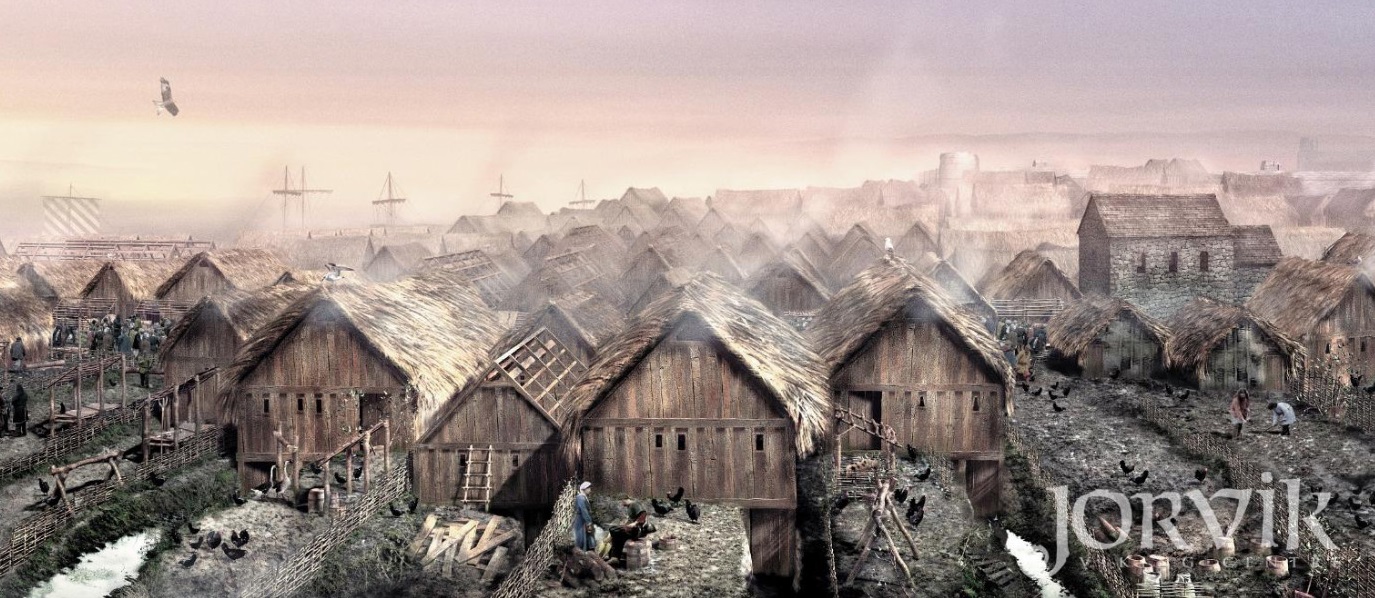
Jorvik Reconstruction: © Jorvik Viking Centre / York Archaeological Trust
Wordhord
A Treasure of Old English Words
English: wynn (Ƿ), thorn (Þ), eth (Ð, ð), and ash (Æ, æ).
æ, ‘a’ as in mat. ǣ, ‘a’ as in bar. Thorn ‘th’ as in then. Wynn, ‘w’ as in way. ð, ‘th’ as in there.
Months of the Year
Winter
October: Winterfyllēð ‘Winter full moon’.
November: Blōtmōnaþ ‘Blót Month’, or ‘Month of Sacrifice’.
December: Ærra Gēola ‘Before Yule’, or ‘First Yule’.
January: Æfterra Gēola ‘After Yule’, or ‘Second Yule’.
February: Solmōnaþ ‘mud month’, or ‘the month of cakes.’
March: Hrēþmōnaþ ‘Month of the Goddess Hrēþ’, or ‘Month of Wildness’.
Summer
April: Eastermōnaþ ‘Easter Month’, or ‘Month of the Goddess Ēostre’.
May: Þrimilcemōnaþ ‘Month of Three Milkings’.
June: Ærra Līþa ‘Before Midsummer’, or ‘First Summer’.
July: Æftera Līþa ‘After Midsummer’, or ‘Second Summer’.
August: Weodmōnaþ ‘Weed month’.
September: Hāligmōnaþ ‘Holy Month’.
Days of the Week
Sunday: Sunnandæg ‘the sun’s day’.
Monday: Monandaeg ‘the moon’s day’.
Tuesday: Tiwesdaeg ‘Tiw’s day’.
Wednesday: Wōensdag ‘Wōden’s day’.
Thursday: Thursdaeg ‘Thunor’s day’.
Friday: Frigedaeg ‘Frigga’s day’.
Saturday: Saeterdaeg ‘Saturn’s day’.
This content is for information only and should not be considered complete or accurate, or perceived as expert or authoritative.
ǣboda, messenger.
ǣfentīd, eventide, evening.
ǣrendġewrit, written message, letter.
ǣrendraca, messenger.
ǣrġewinn, former strife, trouble, old warfare.
æschere, naval spear army, (æsc, i.e. ‘ash wood’ is either ‘spear’ or ‘viking ship’)
ǣtġiefa, food-giver, provider.
ārhwæt, glory-eager, glorious.
bānhūs, bone-house, body.
beaducræft, skilled in war.
beaduræs, battle-rush, onslaught.
beaduweorc, battle-work, warlike deed.
bēagġiefa, ring-giver, lord.
bealusīþ, woeful journey, distressing experience.
beornþrēat, band of men.
billġeslieht, sword-slay/slaughter, battle.
blandenfeax, gray-haired.
blædhwæt, fruitful.
boldāgend, householder.
bordweall, shield wall.
brēostċearu, heart-anxiety.
brēostcofa, heart.
brēosthord, breast-treature, the heart, thought, mind.
bretwalda, high king, king of kings.
brimfugol, sea bird.
brimġiest, sailor.
brimlād, sea-path, sea-journey.
brimlīðend, seafarer.
brūnecg, bright-edged.
burgsæl, city-hall, town building.
burgwaran, townspeople.
būrþeġn, chamberlain.
byrele, cup-bearer (typically female).
byrnwiga, armor-warrior.
campstede, battlefield.
Candeltreow, candel-tree, candelabra.
Candelstæf, candelstick.
ċearseld, sorrowful abode.
cnēomæġ, ancestor, kinsman.
collenferhþ, bold, brave.
cumbolġehnāst, banner-clash, conflict, battle.
cwideġiedd, song, speech.
cynerīċe, kingdom.
cynestōl, royal dwelling.
cynren, kind, family.
cyning, king.
daroþlācend, spear-warrior.
dæġweorc, day-work.
dēaþdæġ, death-day.
dēaþsele, death-hall, hel.
dēaþspere, death-spear, deadly spear.
disceþegn, dish-thegn serving food
dōmġeorn, glory-eager.
dreámcræft, joy-craft, ability to play music.
dryicge, Saxon druid.
duguþ, doughty-men, young warrior.
duruþegn, hall door-keeper.
ealdorman, leading nobleman.
eardġeard, dwelling-place.
earfoþhwīl, hardship-time.
earmċeariġ, wretched.
earsling, in the direction of your arse, backwards.
ēastæþ, river-bank.
ecghete, sword-hostility, war.
efennīehþ, neighborhood.
eġesfull, terrible, terror.
ellenrōf, powerful, courageous.
elþēodiġ, foreign.
ēorodcyst, elite troop, company.
ēorodþrēat, troop, host.
eorþweġ, earth.
eorþwela, wealth, worldly possessions.
eþeldream, joy for one’s homeland.
faroþlācend, sailor, seafarer.
fēasceaftiġ, destitute.
felalēof, very dear.
feohġīfre, wealth-greedy.
feohlēas, wealth-less.
feorhbana, life-bane, slayer.
ferhþgrimm, cruel-hearted, mean-spirited.
ferhþloca, breast, thoughts, feelings (locked within).
fierdlēas, army-less.
fierdrinc, warrior.
flōdweġ, sea-way, path.
folcsæl, house.
foldbūend, earth-dweller, human being.
foldweġ, earth-way, road.
forþġesceaft, destiny, the future.
fōtmǣl, foot (measurement).
frēamære, very celebrated, illustrious.
frēomæġ, noble kinsman.
frēondlēas, friendless.
frumsceaft, creation, origin.
fyrd, local militia.
gamolfeax, old-haired.
gārberend, spear-bearer.
gārmitting, spear-conflict, battle.
gārræs, spear-rush, battle.
gebeorscipe, beer-drinking, drinking party.
giefstol, prominent seat.
gielpword, boastful word.
glēostæf, joy.
gleódreám, glee-joy, pleasure from listening to music.
goldġiefa, gold-giver, lord.
goldwine, generous lord.
gūþplega, battle.
gūþrinc, warrior.
hæġlfaru, hailstorm.
hægtesse, supernatural she-demon more potent than a witch.
hēahþungen, of high rank.
heardsæliġ, unfortunate.
hearthweru, household warriors.
hellscaða, hell-foe, devil.
heorþġenēat, hearth-companion.
hereflīema, army-fugitive.
hereġeatwe, battle-gear.
hlafætan, bread-keeper or householder.
hlāfdige, lady.
hlāford, lord.
hlāfordlēas, lordless.
hleahtorsmið, laughter-smith, ability to make someone laugh.
holmmæġen, sea-might.
holtwudu, trees of the forest.
hōpġehnāst, clashing waves.
hordcofa, breast treasure, heart, feelings.
hrædwyrde, hasty speech.
hrēowċeariġ, sorrowful.
hrēþēadiġ, glorious.
hreðerloca, breast, heart.
hringloca, coat of chain-mail.
hwælhunta, whale-hunter.
hwælhuntoþ, whale-hunting.
hwælmere, whale-sea.
hwælweġ, whale-road, sea.
hyġecræftiġ, wise, clever.
hyġeġeōmer, mind-sad.
mann, person regardless of sex, exclusively male did not occur until c.1000. To specifically donate male, wer was used, and wif for woman.
metedegn, food thegn, household steward.
pæningas, Anglo-Saxon silver penny (c675).
pocca, pocket, bag or pouch (Old English pohha, Northumbrian poha, pocca).
sceattas, wealth, coin.
scillingas, shillings, small gold coins. Although first produced by Eadblad of Cent (c625), they were not common until some years later, becoming replaced with the Anglo-Saxon silver pæningas, ‘penny’ (c675), also referred to as sceattas (wealth/coin).
scop, poet.
symbel, gift-giving feast, formal kindred drinking ritual.
treow, loyalty, faithfulness.
þing, thing, also known as a folkmoot, assembly, or council from CE 685, of free people presided over by a lawspeaker first attested by Tacitus in 98 CE. The oldest written reference of the Thing is on a Hadrian’s Wall stone pillar at Housesteads Roman Fort, dated from 43–410 CE. Things as well as faciliting legislative functions were social events, and trade meetings. The place where a Thing is held was known as thingstead (þingstede), or thingstow (þingstōw). The Thing was a forerunner of the Anglo-Saxon folkmoot (folcgemōt), later witenagemōt.
þyle, orator, spokesman.
unweder, un-weather, when the weather turns bad, a storm.
wearg, an outlaw, from wolf.
weddbroðer, pledge-brother, bound by an oath rather than kinship.
wéofodthegn (wéofodþygen), clergy of Anglo-Saxon Heathenry, kindred spiritual adviser.
wergeld, or man-price. Every person in society had a value, and a price was paid for injury, physical or moral according to social status. During the migration period the standard wergeld for a freeman (ceorl) seems to have been 200 shillings, a thegn or noble was 1,200 shillings. A law code mentions a king’s price to be 30,000 shillings. Slaves and thralls commanded no legal price, but a nominal payment was often made.
wes hal, be hale, a greeting.
witenagemot, early name for witan, the council of wise men.
wordhord, treasure of words, hoard of words recited from memory.
wreccea, an exile. An adventurer, a wretch, often warriors of a fallen lord.